What Cannes Lions teaches us about designing events people actually remember
Hana Robinson | Director of Client Success
Every June, something remarkable happens on the French Riviera.
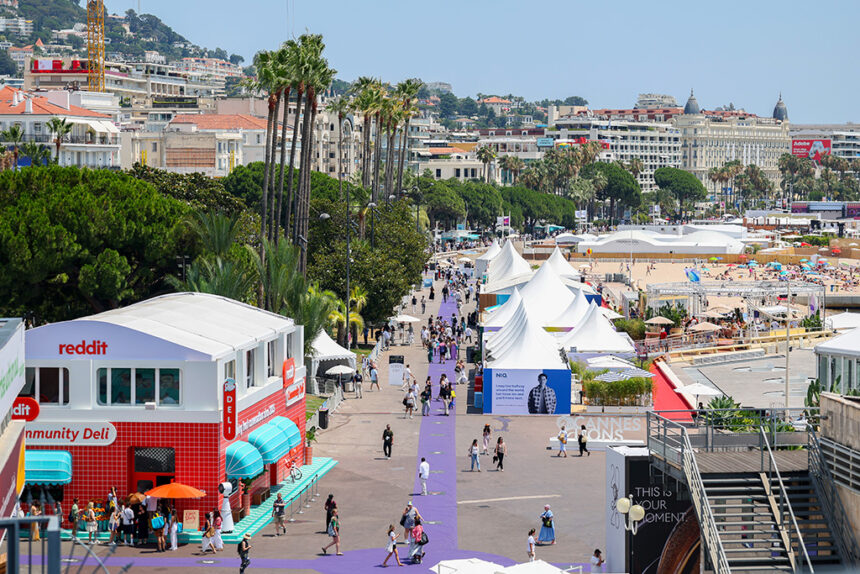
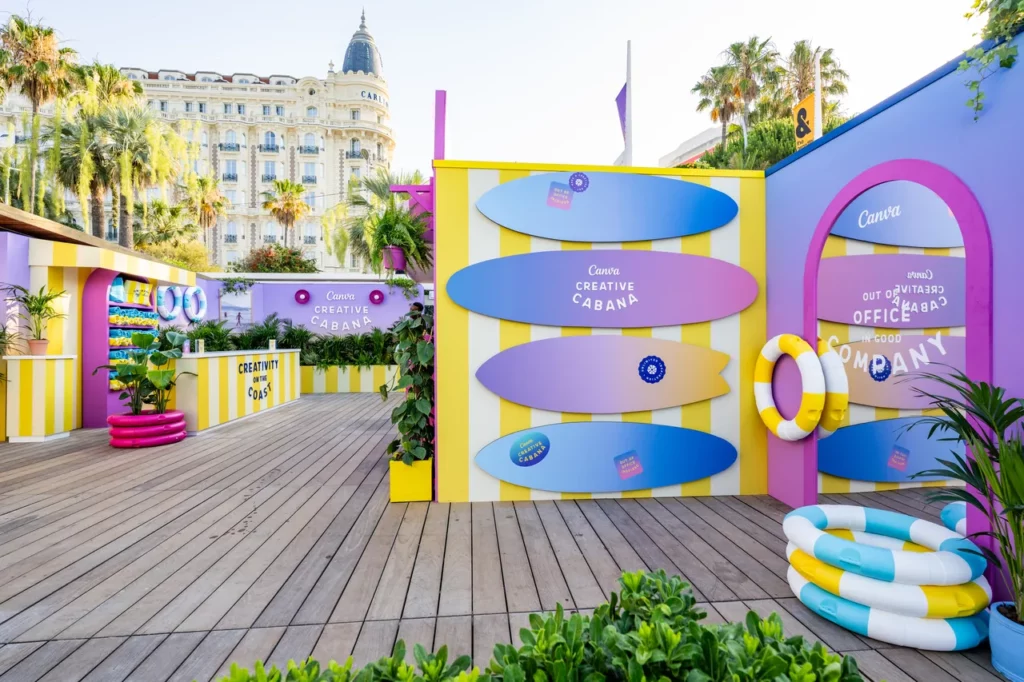
For one week, Cannes stops being a seaside town and becomes one of the most complex live experiences in the world. The Croisette is transformed into a network of beach clubs, hotel takeovers, rooftop venues, yachts, cafés and temporary campuses, all hosting their own conversations, communities and experiences. Brands no longer simply sponsor the festival, they build destinations within it. Spotify Beach becomes a celebration of fandom and culture, Amazon Port operates like an immersive brand campus, Canva’s Creative Cabana invites people to participate rather than simply observe, while Salesforce Beach offers a quieter space for deeper conversations around AI and leadership. Each activation has its own identity, audience and rhythm, yet together they create something far bigger than the sum of their parts. (Cannes Lions)
That is what makes Cannes Lions so compelling.
The density of ideas creates the possibility of chance encounters. The overlap of events forces impossible decisions. A planned meeting turns into an hour-long conversation over coffee. The panel you intended to attend is full, so you wander into another and hear the one idea that changes your perspective. The best moments often aren’t on the agenda at all.
Anyone who has attended Cannes recognises this feeling. You rarely leave having followed the schedule you carefully built before arriving. Instead, you leave with something much more valuable,a collection of unexpected conversations, introductions and ideas that couldn’t have been planned.
That organised unpredictability is not a flaw in the event design. It’s the product.
However, there is an important distinction between creative friction and operational friction, and the most successful events understand the difference.
Creative friction is valuable. It is the debate that challenges your thinking, the conversation that changes your strategy, or the unexpected encounter that becomes a long-term client relationship. These moments are why people invest the time and budget to attend live events.
Operational friction is something else entirely.
It’s standing in a registration queue when the keynote has already started. It’s walking across the city because the event app hasn’t updated. It’s discovering a session has reached capacity after you’ve crossed the Palais to attend it. It’s spending valuable networking time trying to work out where your next meeting is instead of actually having it. One creates energy, where the other simply consumes it.
This is where I believe the industry sometimes misunderstands the role of event technology.
Too often we evaluate platforms by their features: registration, event apps, networking, AI, scheduling, lead capture or reporting. Those capabilities matter, but they are not the outcome. They are simply the infrastructure that enables people to spend more time doing what they came to do.
But for me, the real purpose of event technology is not to digitise an event. Good event tech protects the attendee’s most valuable resource; their attention.
We’ve seen the same principle in our own work
At gther, this philosophy underpins every project we deliver.
Whether supporting hosted buyer programmes, exhibitions, conferences or international brand experiences, our objective is never to add more technology into the attendee journey. It’s to remove unnecessary effort from it.
Our work with our media clients down at Cannes is a good example.
The challenge wasn’t simply processing registrations or facilitating networking. It was creating an experience where brand, stakeholder and guests could spend their time building relationships rather than navigating logistics.
By simplifying registration, orchestrating attendee journeys, enabling intelligent networking and giving organisers live operational visibility, the technology became almost invisible. What attendees remembered wasn’t the platform. They remembered the quality of the conversations they had, the people they met and how easy it felt to move through the event.
For us, that’s always the measure of success. When nobody notices the technology, it’s probably doing exactly what it should. Here’s a few things to consider when designing your next event tech journey:
Five principles for designing invisible event technology.
- Design for attention, not administration. Every click, queue and unnecessary process steals attention from the reason people came.
- Remove operational friction, preserve creative friction. Don’t over-engineer spontaneity; make it easier for it to happen.
- Think in journeys, not systems. Delegates don’t experience your tech stack—they experience one event.
- Use data to adapt in real time. The best events improve while they’re happening, not just afterwards.
- Measure what people remember. Attendees rarely recall flawless registration. They remember conversations, discoveries and moments. Technology should make more of those possible.